The Psychology of Video Editing: Cuts, Transitions, and Pacing That Feel Right
Bad editing is invisible—you just know something feels off.
Good editing is also invisible—you just know the video keeps you glued. You don’t think about it. You just watch.
Understanding the psychology behind cuts, transitions, and pacing is the difference between videos people skip and videos people watch until the end.
Fast Cuts vs. Slow Reveals
Fast cuts create energy and excitement. Slow reveals create drama and anticipation. Neither is right or wrong—it depends on your message and your industry.
A plumbing disaster being fixed? Fast cuts build excitement. A luxury home reveal? Slower cuts build anticipation. Match your edit style to your message.
Transition Psychology
Hard cuts (no transition) feel immediate and professional. Dissolves feel smooth and thoughtful. Wipes feel playful. Fades feel contemplative.
Most of the time, hard cuts work best for short-form video. They’re clean, professional, and keep energy high. Use transitions sparingly—they’re distracting when overused.
The Rule of Thirds for Pacing
Establish shot (what are we looking at?) → action shot (what’s happening?) → result shot (what changed?). Three distinct visual beats create natural rhythm.
Your plumbing before/after doesn’t just show transformation—it shows three distinct moments. Before. During. After. Each one earns its screen time.
Rhythm to Music
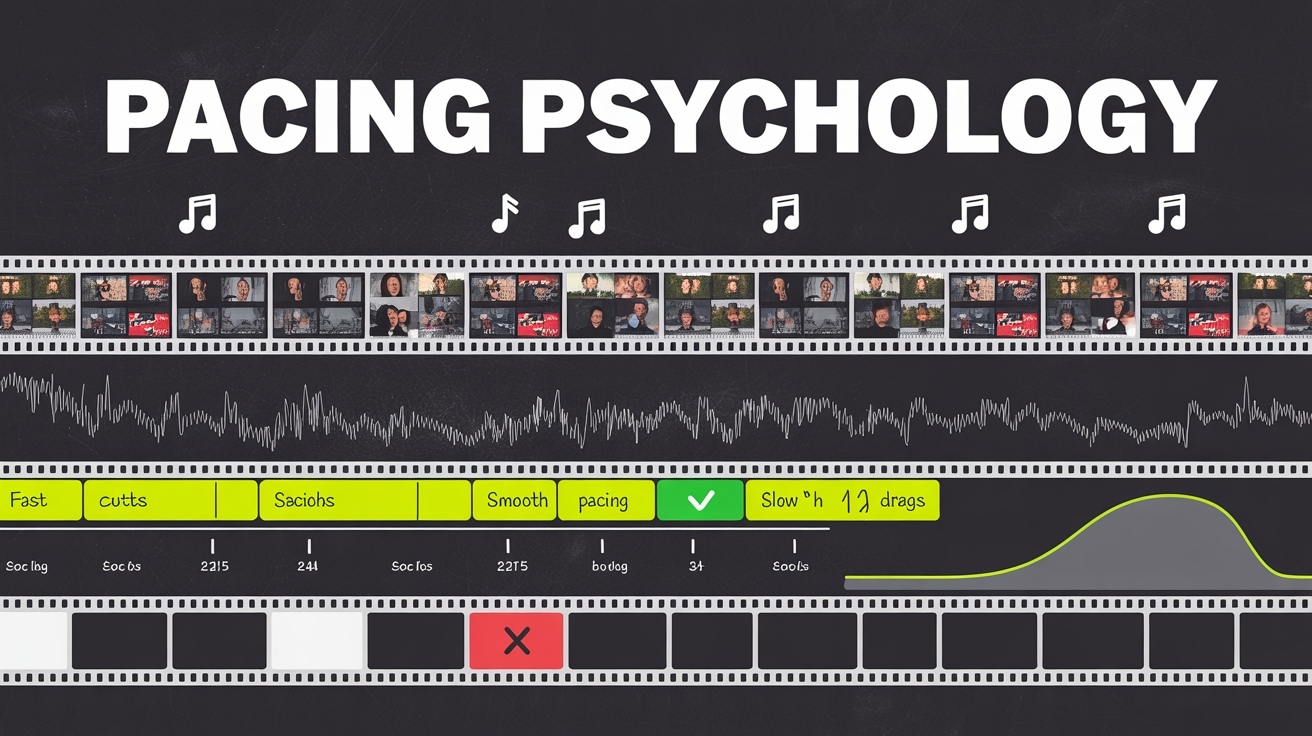
The best-edited videos sync to music. Cuts land on beats. Scenes change on crescendos. Pacing follows the audio rhythm.
You don’t consciously think about it, but your brain recognizes it. The video feels right because it’s following natural rhythm.
Why Fast-Paced Videos Feel Professional
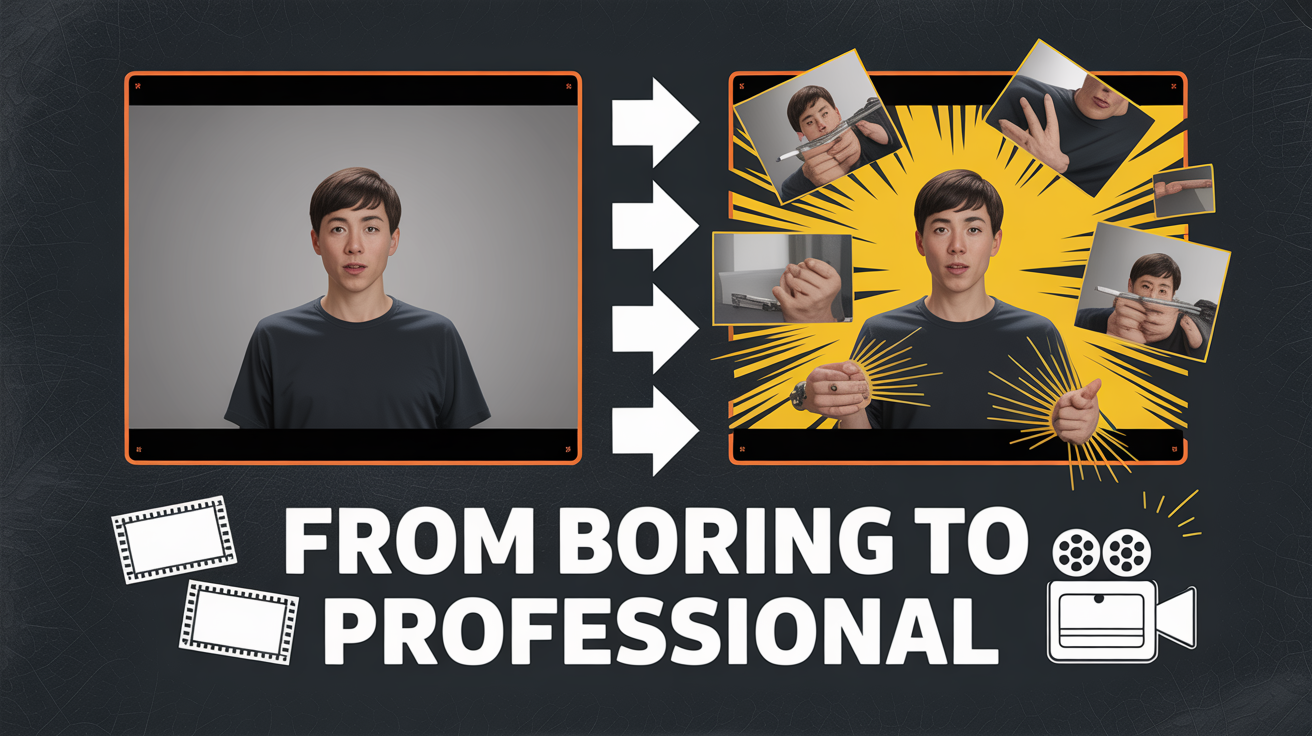
Quick cuts mean less screen time per shot. Less screen time means you’re showing variety. Variety keeps brains engaged.
Slow, lingering shots of the same thing? Boring. Quick cuts showing the process from multiple angles? Compelling.
Common Editing Mistakes That Look Cheap
Unnecessary transitions on every cut. Lingering too long on single shots. Awkward pauses between scenes. Audio that doesn’t match the visual rhythm. Color grading that’s inconsistent between clips.
These might seem small, but they signal “amateur” to viewers instantly.
How Long Should Each Shot Stay On Screen?
For short-form video: 2-4 seconds per shot is standard. If you have variety and good pacing, you can do 1-2 seconds per shot. Anything longer than 4 seconds without compelling action feels slow.
What We Do
We edit every video with psychology in mind. We sync to music. We vary shot length. We create rhythm and pacing that keeps people watching. We use transitions purposefully, not randomly.
The result? Videos that feel professional. Videos that keep viewers engaged. Videos that convert.
Your Move
Watch your favorite short-form video. Notice when cuts happen. Notice how long each shot lasts. Notice how it syncs to music. That’s professional editing. That’s psychology at work.
Want fresh videos for your business every week?
BizClips makes short vertical videos for your business and posts them for you. You do none of the work.
See pricing